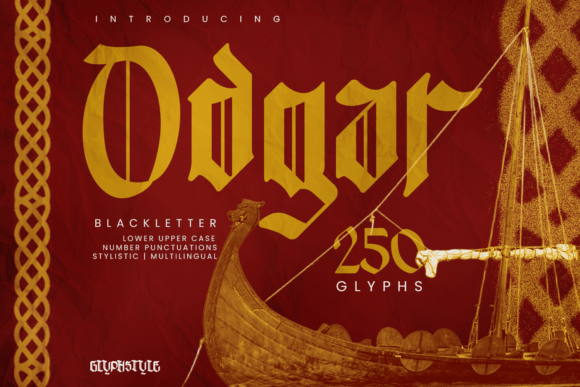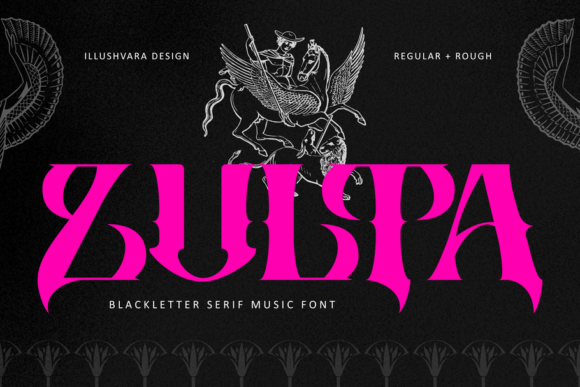
Unlocking the Power of Old English Blackletter for Modern Brands
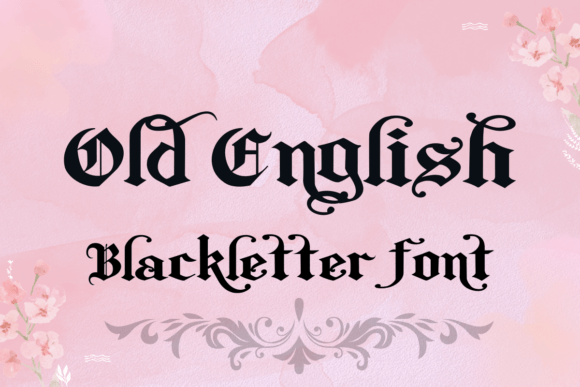
There is a specific weight to typography that speaks before the words are even read. If you have ever held a formal invitation to a gala, seen a heavy metal band logo, or examined a vintage newspaper masthead, you have encountered the distinct presence of Old English style lettering. Often referred to as Old English Blackletter Font, this typeface is more than just a collection of jagged strokes; it is a bridge to history. Inspired by classic medieval calligraphy, this font style offers an intricate, ornate aesthetic that instantly conveys tradition, seriousness, and grandeur. For designers, entrepreneurs, and content creators today, understanding how to harness the power of this vintage sophistication is key to creating memorable visual identities.
The Visual Weight of Tradition
Why does this specific style of lettering command such attention? The answer lies in its construction. Unlike modern sans serif font options that prioritize clean lines and minimalism, Old English relies on high contrast and complex detailing. The "blackletter" classification comes from the visual density of the text on a page; the heavy strokes and intricate serifs create a dark, textured block of color. This boldness makes it an incredibly effective display font. It is not designed to be invisible; it is designed to be the focal point.
The visual appeal is rooted in its ability to evoke a specific era. It carries the echoes of illuminated manuscripts and early printing presses. When used correctly, it adds a layer of perceived authority and history to a project. However, the complexity of the letterforms requires a careful hand. The beauty of a high-quality premium font in this style is that it preserves legibility within those ornate curves, ensuring that the artistic flair doesn't compromise the message.
Strategic Applications for Branding and Packaging
For small business owners and brand strategists, typography is a primary tool for signaling value. Using an Old English style in your logo design or packaging design can fundamentally shift how your audience perceives your product. Consider the beverage industry: whiskey brands, craft breweries, and wineries frequently utilize blackletter styles. Why? Because the font suggests heritage, craftsmanship, and a recipe passed down through generations. It tells the customer, "This product has roots."
Beyond food and drink, this creative font works exceptionally well for:
- Apparel and Merchandise: Streetwear and high-fashion brands often use blackletter to create a bold statement on t-shirts and hoodies, blending historical aesthetics with modern subcultures.
- Beauty and Barbershops: A vintage serif font or blackletter style can establish a vibe of classic grooming, luxury, and attention to detail.
- Publishing and Editorial Design: For book covers, particularly in the fantasy, mystery, or history genres, this typeface sets the mood instantly. It is a staple in editorial design for chapter headings or drop caps.
The goal in brand identity is consistency. If your brand voice is authoritative, traditional, or edgy, the visual language must match. A blackletter font provides that immediate visual shorthand.
Digital Landscapes: Web, Social, and Marketing
While this font has deep historical roots, it has found a vibrant second life in digital products and web design. In the realm of social media graphics, stopping the scroll is the primary objective. Because Old English fonts are so visually distinct from the standard system fonts used by most users, they create a sharp contrast that grabs attention.
However, applying this style to digital spaces requires strategy. It is rarely suitable for body copy or long-form blog posts due to readability issues on screens. Instead, it shines as an accent. Use it for:
- Website Headers: A large, impactful title in Old English can set the tone for a landing page, immediately immersing the visitor in the brand's world.
- Social Media Headers: Profile banners and cover photos are prime real estate for this typeface.
- Marketing Assets: Sale announcements, holiday graphics, and event promotions often benefit from the "announcement" feel of blackletter.
When creating marketing assets, the font acts as a visual anchor. It draws the eye to the most important piece of information—be it a product name, a date, or a headline—ensuring that the hierarchy of information is respected by the viewer.
The Art of the Pair: Typography Harmony
One of the most common pitfalls for designers and hobbyists is using an ornate display font for everything. Old English is a "loud" font; it demands space and silence around it to be appreciated. Therefore, the secret to professional modern typography is the font pairing.
To achieve visual consistency and professional presentation, you must balance the complexity of the Old English script with something simpler. A general rule of thumb is to pair high-contrast, decorative fonts with low-contrast, simple fonts.
- Old English + Sans Serif: This is a classic high-low mix. The clean, geometric lines of a sans serif font (like Helvetica, Futura, or a modern sans) allow the Old English headers to pop without making the layout feel cluttered. This is excellent for web design and logo design.
- Old English + Serif: For a more cohesive, traditional look, pairing blackletter with a transitional serif (like Garamond or Baskerville) works well. This creates a "vintage" feel suitable for invitations and certificates.
Avoid pairing it with other decorative styles like a script font or a handwritten font. The result will almost always be visual chaos, reducing readability and confusing the viewer.
Practical Implementation and Licensing
Before downloading a new asset for your next project, it is vital to understand the technicalities of the file. A high-quality blackletter font usually comes with multiple file formats (OTF, TTF, WOFF) to ensure compatibility across different software, from Adobe Illustrator to Canva.
For content creators and entrepreneurs, the most critical factor is licensing. If you are using the font for a personal blog or a school project, a personal license is usually sufficient. However, if you are selling merchandise, using the font in a client's logo, or incorporating it into a digital product for sale, you require a commercial font license.
Always review the license details provided with the design assets. Using a font without the correct license can lead to legal headaches down the road. Furthermore, check the character map of the font. High-quality blackletter fonts often include stylistic alternates, ligatures, and multilingual support. These extra glyphs allow you to customize the look of the lettering, ensuring your design doesn't look like a generic template.
Ultimately, integrating an Old English Blackletter Font